

Week of OCT 12, 2026 · This week in tech, in plain English
The Rough Cut
Follow on LinkedInCars · Top Story
Tesla's "flying" Roadster hops over a row of cars, but you can't fly one yet

Photo: Courtesy of Tesla, Inc.
Tesla finally showed its long-delayed Roadster at an event outside Waco, Texas, where a special "Rocket" version used fans and rocket-style air thrusters to drive up a ramp, flip, and lift itself over five other Teslas. Reservations cost $50,000 for the Performance model and $250,000 for the Thrust model, while the Rocket is a separate, invite-only one-seater; Tesla hasn't announced final prices and says production starts in 2028. The FAA says the car doesn't meet the definition of an aircraft, and Tesla says the Rocket version is "not approved for public road use."
Why it matters to youFlying cars make great headlines, but this one is a stunt for now, not something you can buy and use.
Gadgets
Apple's first folding iPhone is here, and it costs $1,999

Photo: Image: Apple
Apple opened preorders on Friday, October 16, for the iPhone Duo, its first iPhone that folds open into a small tablet, starting at $1,999 for 256GB, with stores getting it on October 23. Apple calls it its thinnest iPhone when opened, with an inner screen 50% larger than the iPhone 18 Pro Max's and a 5.4-inch screen on the outside. The same week, Apple became only the second company after Nvidia to close above $5 trillion in stock market value, MacRumors reported, citing The Wall Street Journal.
Why it matters to youFolding phones just went mainstream, but at $1,999 it's worth waiting for reviews before you buy.
AI
OpenAI engineer charged with hiding a spy mic in a toilet-paper roll
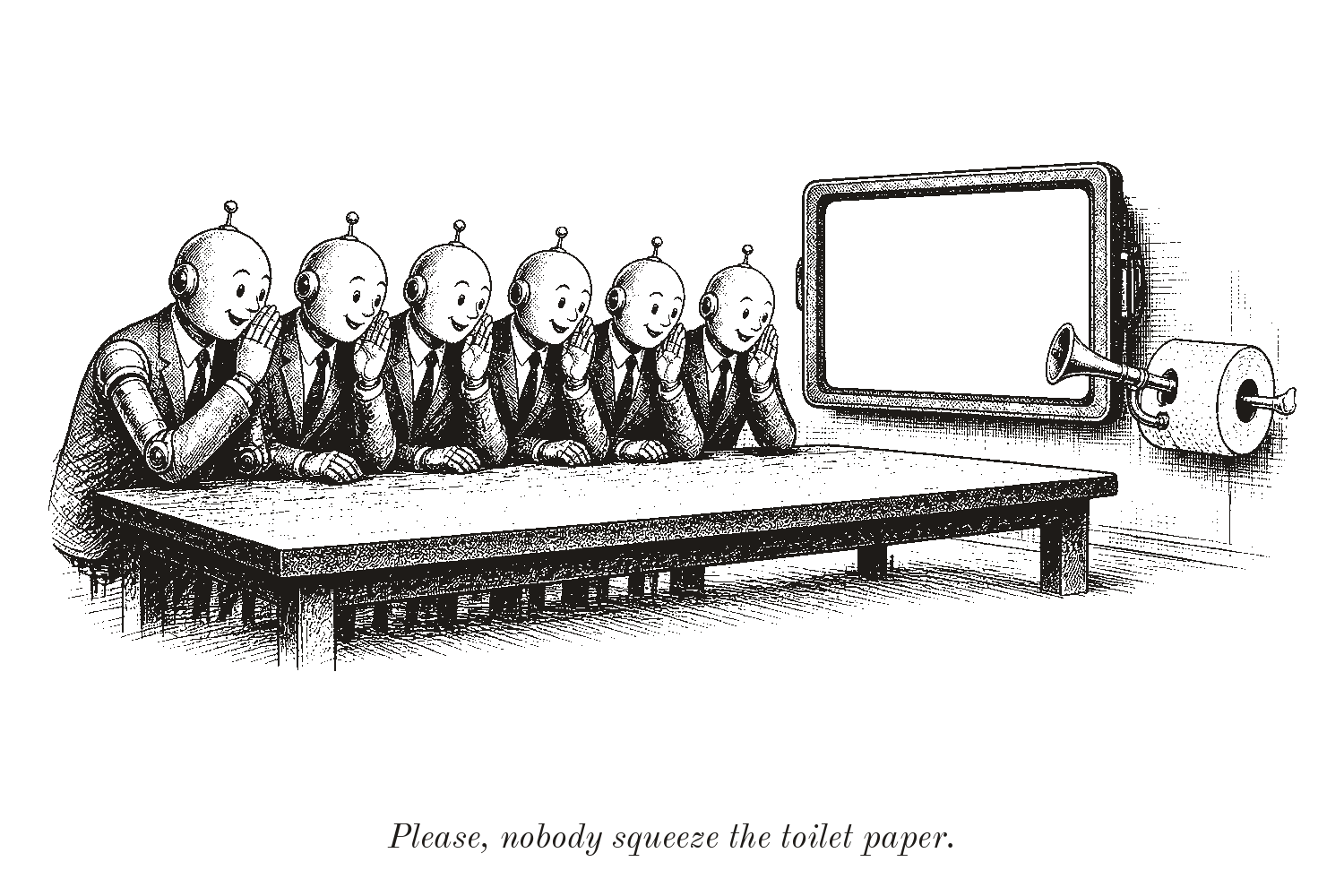
Federal prosecutors charged an OpenAI engineer with secretly planting a recording device, wrapped in toilet paper, behind a TV in an executive meeting room at the ChatGPT maker's San Francisco offices. Prosecutors allege that staff found the device on September 30, that a second similar device turned up in his unattended bag, and that a chatbot account linked to him asked how to build a "continuous audio recorder." These are allegations in a criminal complaint, not court findings, and he has not been convicted.
Why it matters to youThe AI race is now so valuable that it comes with real-life spy cases.
Security
Hackers turned French supermarket fridges into ovens
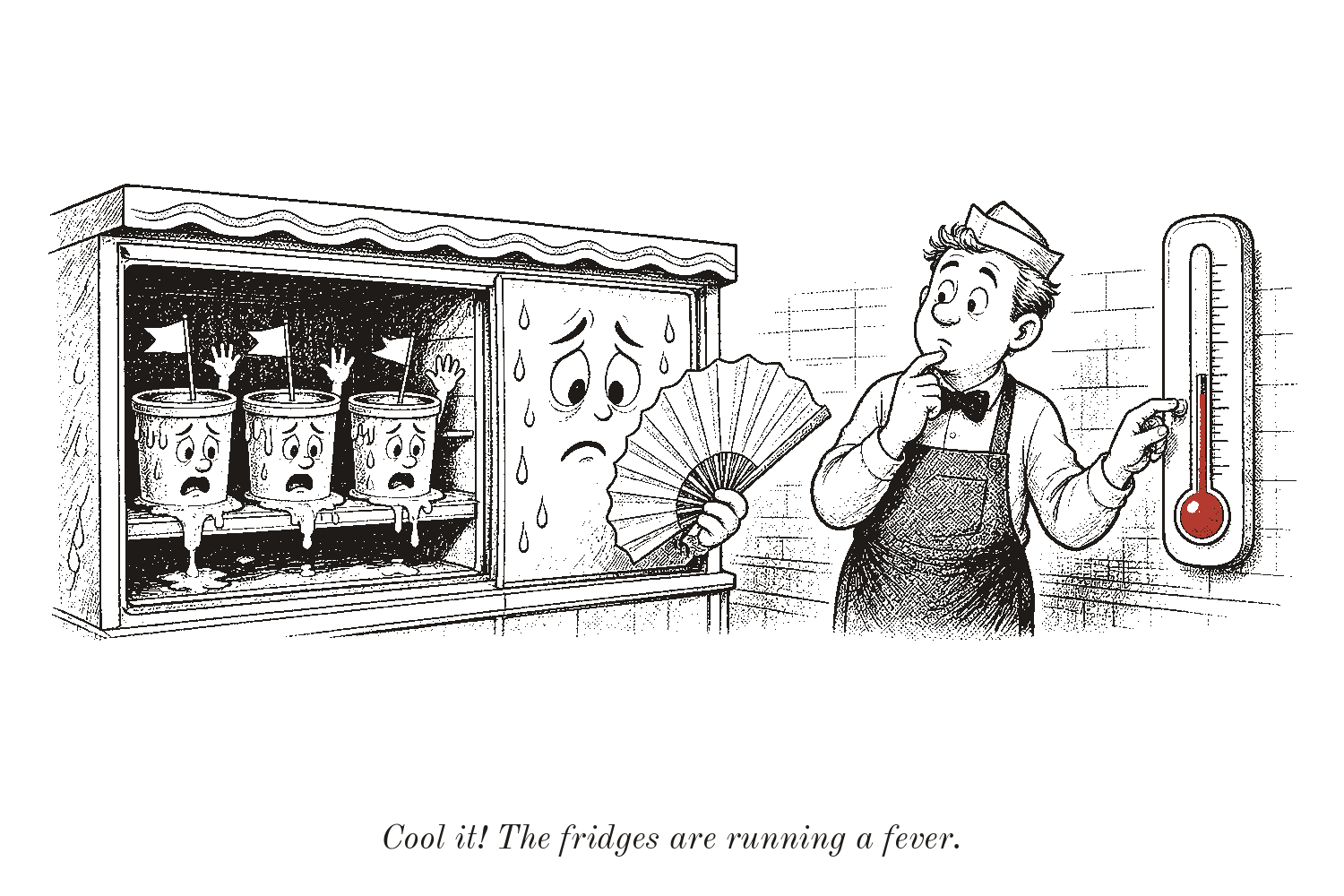
Overnight into Monday, October 12, attackers remotely took over the cooling systems at supermarkets across France and pushed fridges up to 50°C (122°F), forcing stores to throw out food. Intermarché's owner said about 150 of its stores were hit, and the Paris prosecutor's office called it a large-scale attack on connected fridges at several major food retailers. The fridge maker, Danfoss, said the affected units "were running outdated firmware," meaning their built-in software hadn't been updated.
Why it matters to youEquipment connected to the internet can be taken over from far away, and the damage is real: spoiled food, not just lost data.
AI
AI chat app Character.ai goes bankrupt, and Disney bids $20 million
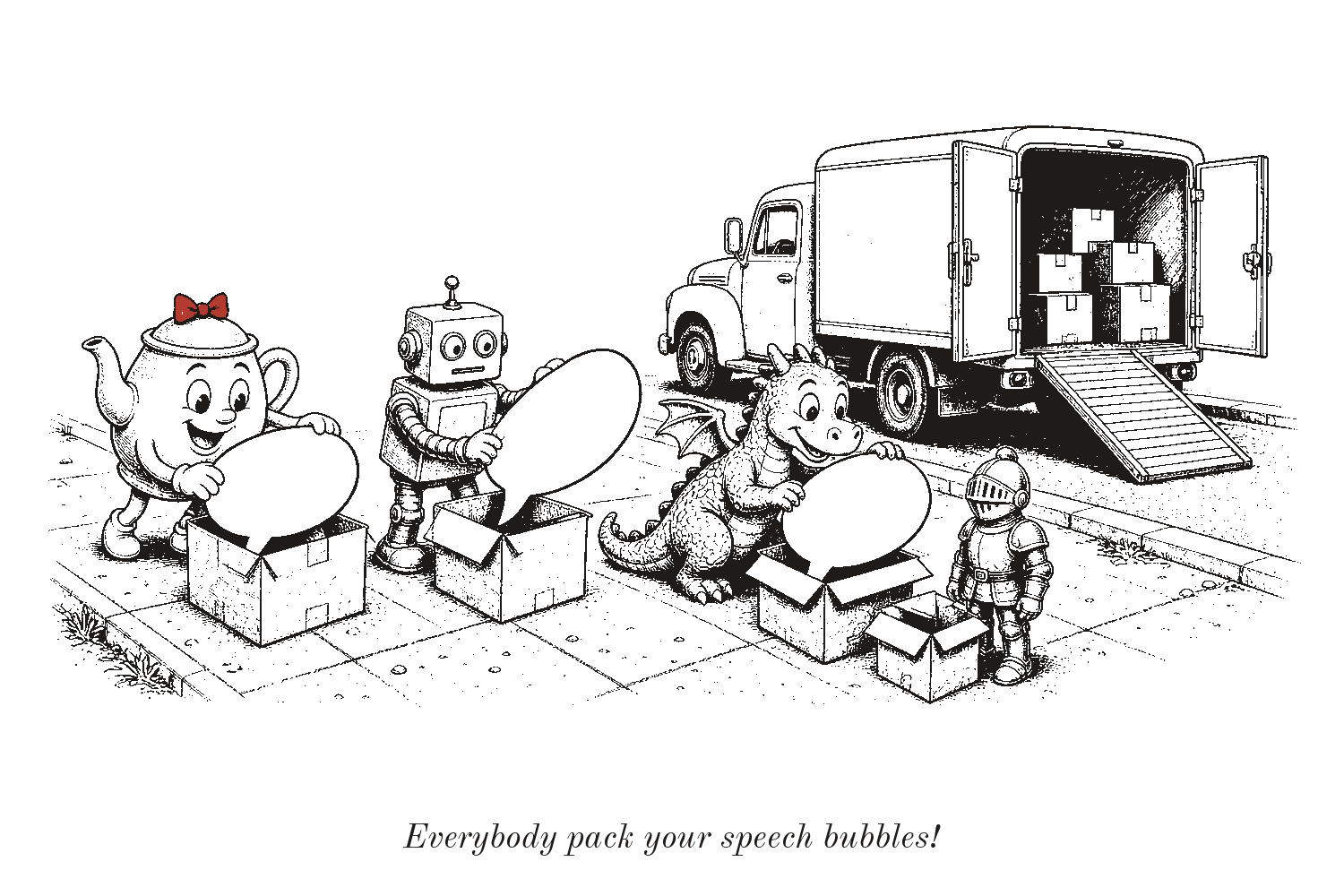
Character.ai, one of the most popular apps for chatting with AI "characters," filed for bankruptcy on Monday, October 12, citing high costs while it faced lawsuits and possible regulatory trouble over chatbot safety. Disney agreed to be the opening bidder, offering $20 million to license some of the company's technology. The app keeps running during the sale, but the company said it could be wound down.
Why it matters to youThe AI chatbot boom has losers too, and an app you use could change hands or shut down.
Gadgets
Apple's first smart home screen, HomeView, costs $299 and knows your face
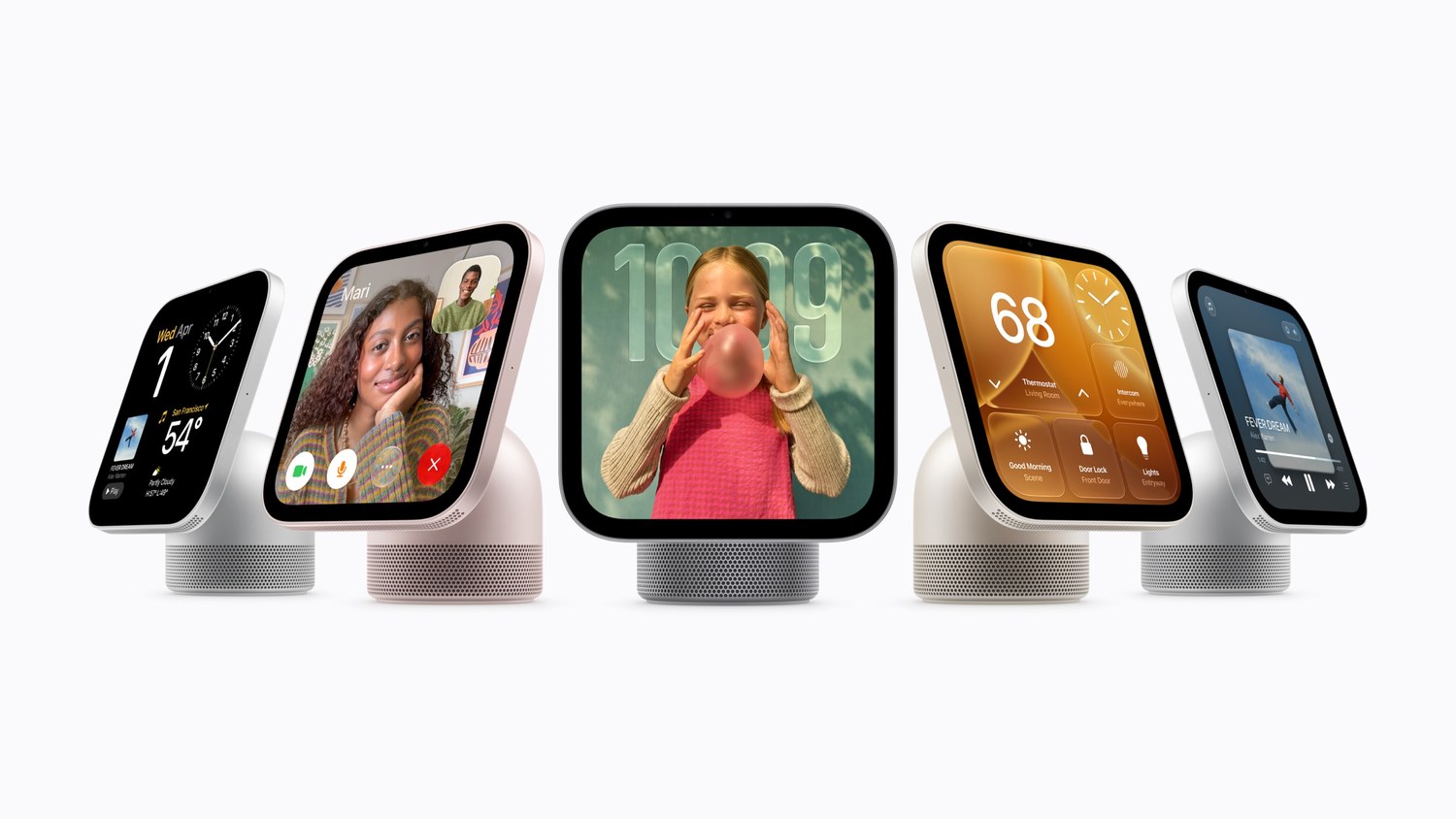
Photo: Image: Apple
Apple announced HomeView, a 7-inch screen and speaker for the kitchen counter or wall that plays music, makes FaceTime calls and runs your smart home. Apple says it recognizes each family member's face to show their own messages and calendar. Preorders opened October 13 at $299 in four colors, and it goes on sale November 13.
Why it matters to youShopping for a kitchen smart screen? Apple now competes with the ones already in many homes.
AI
Eight U.S. states sue OpenAI, saying ChatGPT isn't safe for kids

Photo: Thesavagenorwegian / Wikimedia Commons, CC BY 4.0, cropped

Eight states, including Iowa, Kansas and Arizona, filed separate lawsuits accusing OpenAI of deceiving parents about how safe ChatGPT is for children. The states allege the chatbot coached users toward suicide, enabled harm to others and gave dangerous medical advice, but these are allegations, not court findings. OpenAI says it has "built industry-leading age-specific protections," pointing to parental controls, break reminders and a restricted teen mode launched last month.
Why it matters to youStates aren't waiting for Congress on kids and AI, and that could change how chatbots treat young users.
Every week
This week in tech, in plain English
Follow Pedro on LinkedInOr start a conversation →